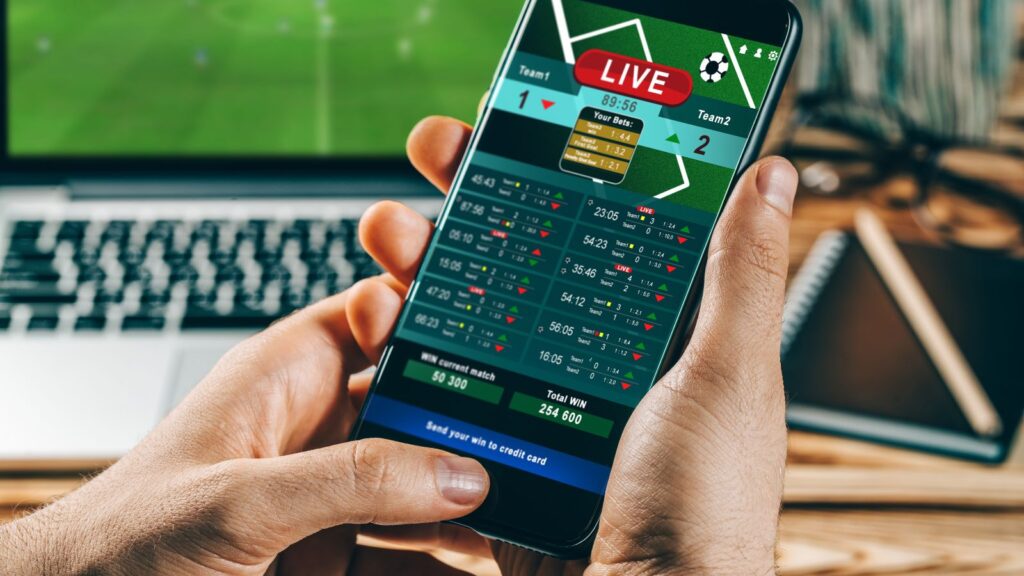
On the surface level, gambling at casinos, betting on sports events, and playing video games have nothing to do with each other. One is totally based on luck, the second requires analytical skills, while the third is merely an entertainment game. Sports Betting might seem like a game of skill and analysis, but just like in casinos, emotions often take over — and that’s where most players start losing control.
However, a closer observation will show that in all those situations, your major adversary is yourself. It is your emotions that lead you to failure and cause you to mess up your strategy.
Emotions vs Logic: Who Actually Wins?
When people start playing or placing bets, they usually have some kind of plan. Maybe they study match stats, set a budget, or just decide to play “for fun.”
The problem is that the plan starts to fall apart the moment emotions kick in:
- excitement after a win
- frustration after a loss
- the urge to “win it back.”
That’s when logic takes a back seat. Instead of following a strategy, you start reacting to how you feel. And in gambling, feelings are usually a terrible guide.
What Is Tilt and Why Is It Dangerous
The term “tilt” comes from poker, but today it’s used everywhere — in esports, betting, and gaming in general.
Tilt is a state where you lose control because of emotions.
For example:
- You lose a few bets in a row and start betting bigger
- After a losing streak in a casino, you switch to riskier games
- In a game, you start playing aggressively and making bad decisions after losing
In this state, you’re not thinking anymore — you’re reacting.
And that’s when the biggest losses usually happen.
Impulsive Decisions: “I’ll Bet Right Now”
Another common trap is impulsive behavior.
You see a match, hear someone’s opinion, or just get a feeling that a team will win — and you place a bet. No real analysis, no plan, just a quick decision.
The same thing happens in casinos:
- “One more spin, it has to hit now.”
- “I can feel it, this one’s going to win.”
The problem is, these decisions have nothing to do with strategy. They’re driven by emotion — excitement, boredom, or adrenaline.
And the more often you act like this, the faster you lose money.
Overconfidence in Your “Gut Feeling”
A lot of players believe they have a “gut feeling.”
They think they can sense when a team will win or when a slot machine is about to pay out.
But this is one of the most dangerous illusions.
In reality:
- Casinos are based on randomness and math
- Even in betting, good analysis never guarantees a win
Your “gut feeling” is usually just your brain remembering a few lucky moments.
All the losses? Those are easy to forget.
So you start believing you’re in control — when you’re not.
What Casinos, Betting, and Video Games Have in Common
This is where things get really interesting.
Even though they seem different, all three rely on the same core mechanics:
Reward systems
You get a reward — a win, a rare item, a victory. Your brain remembers it.
Dopamine
Every win triggers dopamine, the “feel-good” chemical. And you want that feeling again.
Randomness
Rewards don’t come every time. And that’s exactly what makes it so addictive.
This is called variable reward — one of the most powerful engagement systems out there. It’s used in games, casinos, and betting.
And it’s the reason people keep playing, even when they’re losing.
Why Emotions Destroy Strategy
When all these elements come together, here’s what happens:
- You experience the thrill of winning
- You want to repeat it
- You start acting faster and thinking less
- You lose control
- You lose money
The stronger the emotions, the worse the decisions.
Even if you had a solid strategy at the start, it stops working because you stop following it.
The Bottom Line: It’s Not About the Game
Here’s the key idea:
It’s not the casino, the bets, or the games that are the problem.
It’s how people react to risk and emotions.
You can play carefully and stay in control.
Or you can lose control and go into the red — no matter how smart or experienced you are.
One Simple Rule
If you want to protect your money and your mindset:
- Don’t play based on emotions
- Take breaks after losses
- Don’t trust your “gut feeling.”
- Treat it as entertainment, not income
Because the moment you stop controlling yourself, the game starts controlling you.