
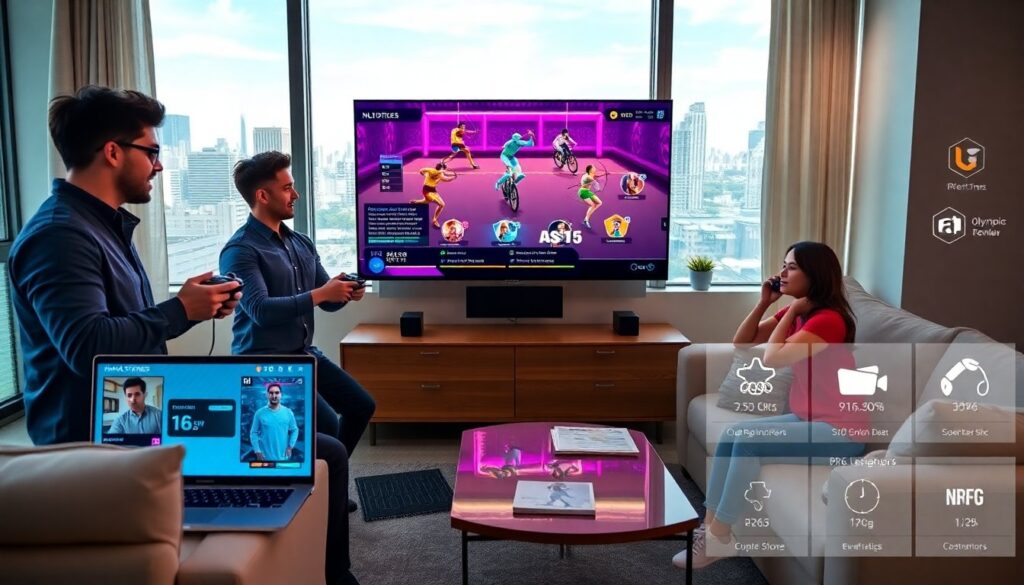
Olympic Stories Nebula Gaming Review SportBlitzZonez tests a new sports party game. The reviewer places the phrase early to show focus. The game mixes short events with light RPG elements. The reader learns quick facts and a clear view. The introduction sets expectations for mechanics, presentation, and value.
Key Takeaways
- Olympic Stories Nebula Gaming offers a collection of short, themed Olympic events blending simple controls with light RPG elements, perfect for quick mastery and social play.
- The game features diverse sports like sprinting, archery, and cycling, each requiring timing, aim, or rhythm, with sprinting and archery highlighted as especially satisfying.
- Bright neon visuals, clear HUD, and accessible tutorials enhance player experience, supported by performance stability on modern consoles and mid-range PCs.
- Monetization focuses on cosmetics and time-savers without heavy pay-to-win mechanics, though some minor stats are behind paywalls; consider progression pacing before purchasing passes.
- Replayability thrives on ranked seasons, daily challenges, and community features like clubs and tournaments, making Olympic Stories Nebula Gaming engaging for party players and casual competitors.
- Families and streamers benefit from the game’s safe, easy controls and bite-sized content; competitive players are advised to wait for balance updates and sales on seasonal content.
Quick Overview: Concept, Modes, And First Impressions
Olympic Stories Nebula Gaming Review SportBlitzZonez covers concept, modes, and first impressions. The game plays as a collection of short, themed Olympic events. It offers solo runs, local co-op, and online matchmaking. Players pick an avatar, level it, and enter events. The first impression shows bright visuals and tight input windows. The core loop rewards quick mastery and trial-and-error learning. The reviewer notes a friendly tone in tutorials and a slight grind in early progression. Fans of pick-up-and-play party games will recognize the formula quickly.
Gameplay And Core Mechanics
The game uses simple controls and event-specific rules. Each event asks for timing, aim, or rhythm skills. The input reads clearly and the feedback feels immediate. The core mechanics remain consistent across modes and feel accessible to new players.
Event Variety And How Each Sport Feels
The event list includes sprinting, diving, archery, cycling, and a few fantasy events. Sprinting requires rhythm taps. Diving uses a short freedom of rotation and a final timing hit. Archery asks for aim and wind read. Cycling focuses on pacing and stamina bursts. The fantasy events add odd power-ups and light hazards. Each sport delivers a distinct tactile feel. The reviewer finds sprinting and archery the most satisfying. Some events feel short by design but still test skill.
Presentation, Performance, And Accessibility
The presentation uses a colorful, neon-tinged art style. The menus read clearly and the HUD stays unobtrusive during play. The soundtrack pairs upbeat tunes with crowd effects. The performance holds steady at target frame rates on modern consoles. The PC build runs well on mid-range hardware. The game includes accessibility toggles for input timing, color contrast, and button remapping. The reviewer praises simple language in the tutorials. The clarity of visual cues helps players learn events faster.
Monetization, Replayability, And Community Features
The store sells cosmetics, event passes, and a seasonal battle path. The microtransactions focus on looks and time-savers. The game avoids pay-to-win in most cases but offers minor stat items behind paywalls. Replay value comes from ranked seasons, daily challenges, and weekly event rotations. The community tools include clubs, chat filters, and private rooms. The reviewer finds community tournaments and shared replays the strongest retention hooks. The reviewer warns casual players to watch progression pacing before buying passes.
Who Should Play Olympic Stories Nebula Gaming (And When To Wait)
Olympic Stories Nebula Gaming Review SportBlitzZonez recommends the game to party players and casual competitors. It suits groups who enjoy short matches and light progression. It fits streamers who want bite-sized content for clips. Competitive players who want deep mechanics may wait for balance patches. Players sensitive to microtransactions should wait for a sale or skip seasonal passes. Families will find safe, simple play and clear controls. The reviewer suggests trying free demos or weekend events before spending on season content. The game shows promise and small flaws that future updates can address.