
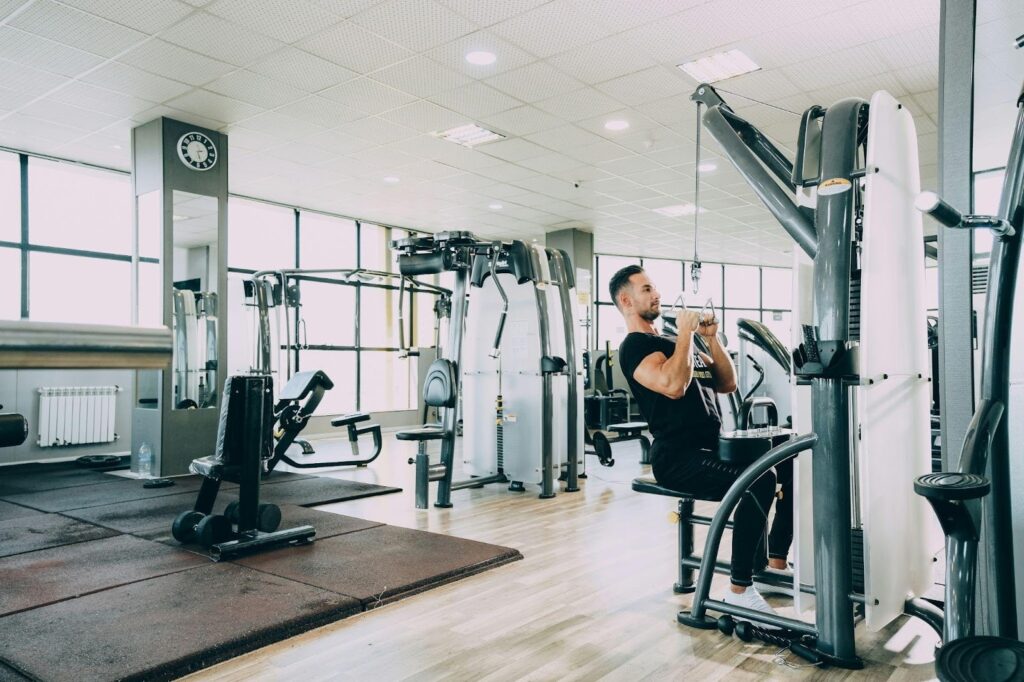
Strength training environments demand equipment that withstands repeated heavy use. Machines designed for plate loading provide stability, precision, and adaptability for athletes pursuing both endurance and maximal power. Their robust construction ensures consistent performance even under intense pressure.
Many fitness facilities invest in plate-loaded gym machines for their combination of durability and versatility. Unlike selectorized alternatives, these systems rely on free weight plates, allowing users to incrementally adjust resistance to match individual strength levels. This flexibility makes them a staple in professional settings.
Heavy-Duty Construction
Durability defines the appeal of plate-loaded equipment. Industrial-grade steel frames resist bending or warping during rigorous workouts. Welded joints and reinforced supports contribute to long-term stability, ensuring safety for frequent users. Even high-volume traffic cannot easily compromise the structure.
Padding and grips complement the solid frame. Thick cushions provide comfort while minimizing strain on contact points. Non-slip handles maintain secure positioning during lifts, preventing accidents during high-intensity movements.
Adjustable Resistance for All Levels
Users of varying strength can benefit from incremental weight adjustments. Plates slide onto sleeves or bars, enabling precise control over load. Beginners start conservatively, mastering form without excessive strain. Experienced athletes challenge maximal strength, progressively adding plates to reach personal limits.
This system allows seamless transition between light and heavy sessions. A single machine can support multiple participants without frequent modifications or specialized supervision. Progressive resistance encourages continuous growth and measurable improvement over time.
Natural Range of Motion
Plate-loaded designs permit fluid, unrestricted movement. Unlike machines constrained by fixed tracks, these systems replicate the dynamics of free weight exercises while maintaining support. Users experience authentic lifting paths, promoting coordination and proper muscle engagement.
Advanced lifters leverage this freedom to target weak points or perform unconventional variations. Controlled motion reduces the risk of compensatory movements, enhancing the effectiveness of each repetition. Beginners develop muscle awareness and confidence through guided but natural patterns.
Versatility Across Exercises
Machines accommodate a broad spectrum of workouts. Pressing, pulling, and squatting motions adapt easily to plate loading mechanisms. Multiple muscle groups can be activated without switching devices, increasing efficiency for both individual and group training sessions.
Functionality also allows for hybrid routines. Users combine plate-loaded movements with traditional free weights or functional training tools, creating dynamic sessions that challenge strength, endurance, and stability simultaneously.
Space and Organization Benefits
Though heavy, these machines maintain relatively compact footprints. Vertical or horizontal plate storage often integrates into the frame, keeping areas tidy while providing easy access. Gyms optimize floor space without sacrificing accessibility for multiple users.
Organized layouts minimize interference between stations. Athletes transition smoothly from one exercise to another, maintaining intensity and flow during circuits or timed sessions. Structured arrangement also enhances overall facility safety.
Reduced Wear and Maintenance
High-quality plate-loaded machines require minimal upkeep compared with complex selectorized systems. Fewer moving parts reduce mechanical failures. Regular inspection of sleeves and pins ensures continued smooth operation, and replacing worn plates is simple.
Protective coatings resist corrosion, scratches, and everyday abuse. Frames retain aesthetic appeal while preserving structural integrity for years, reducing replacement costs and enhancing return on investment for commercial operators.
Enhancing Performance and Confidence
Controlled yet flexible systems support users in achieving performance goals. Beginners feel secure under heavier loads, while advanced lifters maximize power output without risk of imbalance. Progressive challenges foster motivation and long-term engagement with training routines.
Consistent feedback through load adjustments allows precise tracking of progress. Athletes appreciate measurable outcomes, helping to refine technique and optimize workout planning over time.
Longevity in High-Use Environments
Commercial gyms demand equipment capable of enduring daily heavy traffic. Plate-loaded machines are engineered to meet this expectation. Solid frames, reinforced joints, and resistant finishes maintain performance under repeated use, ensuring reliability in busy facilities.
The ability to support both light and extreme loads without compromising stability guarantees that gyms can accommodate members of all fitness levels. This combination of robustness and adaptability secures their continued popularity across professional settings.
Conclusion
Plate-loaded machines remain a cornerstone of commercial strength training due to their heavy-duty construction, adjustable resistance, and versatility. They provide natural movement patterns, enhance safety, and support long-term progression for beginners and advanced athletes alike. Thoughtful integration of these systems creates reliable, durable, and adaptable gym environments capable of sustaining diverse and demanding workout routines.