

Are you ready to uncover something fascinating? The Shardavidian culture isn’t just a slice of history: it’s a vibrant tapestry weaving together artistry, architecture, and ancient wisdom. As we jump into this intriguing world, you’ll find that it’s bustling with stories waiting to be told. Whether you’re a history buff or just curious about unique cultural phenomena, we’ve got something for everyone. So, buckle up as we unveil the rich past and enduring influence of the Shardavidian lineage.
shardavidian
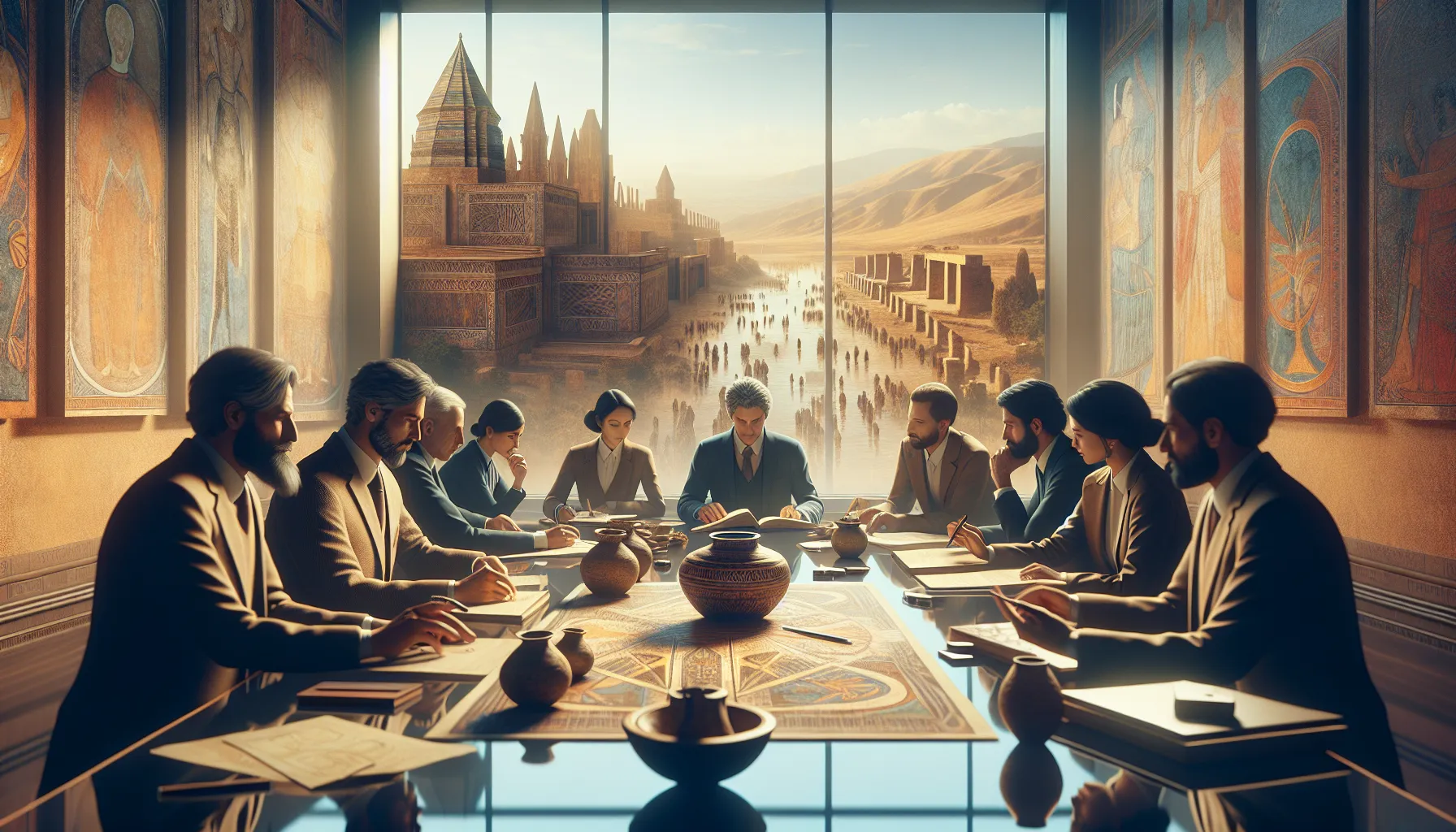
Understanding the Shardavidian culture requires us to step back into its historical backdrop. Emerging around the 5th to 6th centuries, the Shardavidian civilization flourished in what is now part of present-day regions. It thrived during a time when trade routes crisscrossed the area, creating a melting pot of ideas and influences.
We must note that the Shardavidian people were not isolated: rather, they interacted with neighboring cultures, which significantly influenced their development. Also, the fall of empires and rise of new powers added layers of complexity to their historical evolution. Documented evidence in archaeological sites has provided us with glimpses into their lives, beliefs, and societal structures. The resulting picture showcases a society rich in traditions and innovation.
Cultural Significance in Ancient Texts
Let’s talk about the literary treasures left by the Shardavidian culture. Ancient texts reveal that their people placed immense value on storytelling, often using oral traditions to pass down wisdom. These narratives were not just entertainment: they were vital in preserving historical events and moral lessons. Scholars and enthusiasts often dig through these old texts, searching for insights into how they viewed the world.
Interestingly, the themes explored often reflect universal human experiences, love, loss, valor, and the ever-elusive quest for knowledge. These stories help us connect with them on a personal level, reminding us that even though the ages, human emotions remain timeless.
Key Architectural Features
Architecture tells a story like no other. The Shardavidian heritage is marked by distinctive architectural styles that reflect both practicality and artistry. From intricate carvings to grand structures, their architectural prowess catches the eye of anyone who visits these historical sites.
We often marvel at features like domes and columns, elements that represent the harmonious blend of form and function. The designs were heavily influenced by their local environment and materials, ensuring that their buildings not only served a purpose but also resonated with the landscape. Also, temples built during this era dedicated to various deities are often adorned with sculptures that tell tales from their myths, creating a multi-dimensional experience for visitors.
Influence on Modern Architecture

Fast forward to today, and the impact of the Shardavidian architecture is palpable. Modern architects frequently draw inspiration from their techniques and designs. Incorporating elements such as layered structures and open spaces not only honors their legacy but reinterprets it for contemporary needs.
Architectural firms are increasingly revisiting these ancient designs, merging them with modern technology to create functional yet beautiful spaces. Can we really deny that the geometric elegance of Shardavidian structures adds a unique appeal to today’s buildings? We think not. This resurgence illustrates a cross-temporal appreciation for designs that withstand the test of time.
Preservation Efforts and Challenges
While the Shardavidian legacy is rich, preserving it poses significant challenges. Natural wear and urban development threaten many historical sites, putting this invaluable cultural heritage at risk. Thankfully, various organizations, both local and international, are stepping up to ensure these sites are protected.
From restoration projects to educational initiatives, a concerted effort aims to raise awareness about the significance of these ancient structures. But, we must recognize the challenges of funding and political will that often complicate these efforts. As we engage in these preservation dialogues, it’s essential for us to advocate for the importance of maintaining connections to our past for future generations.