
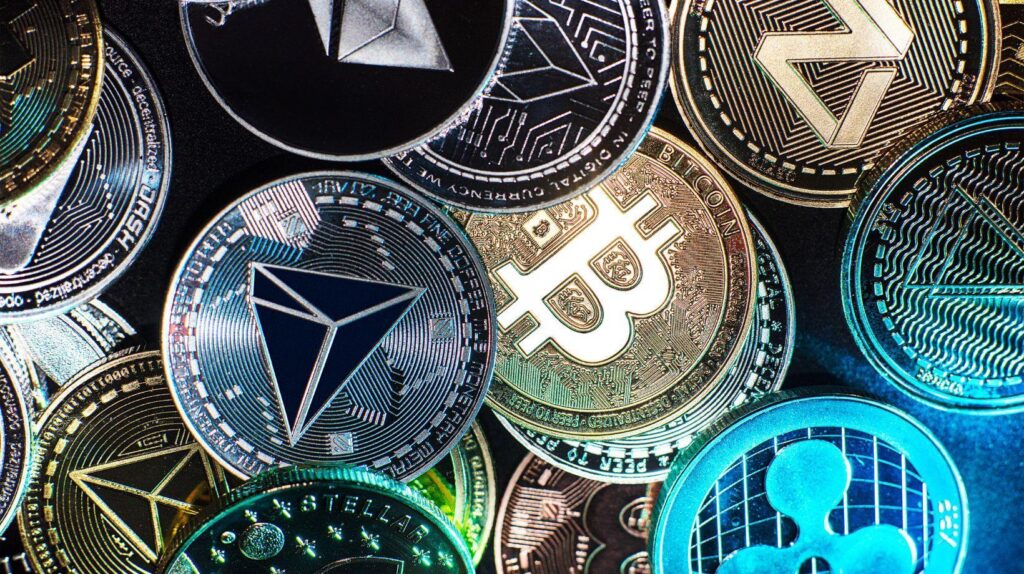
Crypto in 2026 looks more connected to conventional finance than at any previous point in its history. Bitcoin ETFs now move billions of dollars through regulated securities markets, stablecoins have entered mainstream discussions about payments and settlement, and governments have moved from debating whether digital assets require regulation to deciding how specific products should operate. Readers using resources such as safe-pal.app also face a much broader technical environment, with centralized exchanges, self-custody wallets, Layer 2 networks and tokenized financial products all competing for attention. Greater access has expanded the market, but it has also created new questions around custody, regulation, liquidity and cybersecurity.
Bitcoin Has Become More Sensitive to Traditional Markets
Bitcoin remains the largest cryptoasset and still sets much of the direction for the wider market. Its trading environment, however, has changed significantly since the launch of US spot Bitcoin ETFs in 2024. Large asset managers can now gain BTC exposure through products that trade alongside conventional securities, which has brought another source of institutional capital into the market.
ETF demand has remained significant in 2026, although daily flows regularly change direction. That volatility provides an important lesson about institutional participation. Professional investors do not buy Bitcoin regardless of market conditions. They react to inflation, interest rates, bond yields, equity valuations and geopolitical risk in much the same way they evaluate other portfolio exposures.
Bitcoin therefore trades within a wider financial conversation. Expectations around Federal Reserve policy can influence BTC alongside the dollar and Treasury market, while concerns about economic growth can reduce demand for speculative assets. Crypto-specific developments still influence prices, but macroeconomic conditions now play a much larger role in daily market analysis.
Stablecoins Are Moving Deeper Into Financial Infrastructure
Stablecoins may prove more important to the long-term development of digital finance than many speculative tokens. Dollar-linked assets such as USDT and USDC already provide liquidity across exchanges and blockchain networks, while their use in payments and international transfers continues to expand.
The regulatory environment has also become more defined. The US GENIUS Act created a federal framework for payment stablecoins in 2025, setting requirements around permitted issuers and reserves. Regulators continued refining those rules during 2026, while wider legislation has attempted to clarify where different digital assets sit within US financial law.
This regulatory development does not eliminate stablecoin risk. Customers still need to consider issuer exposure, reserve quality, redemption procedures and blockchain risk. A token designed to track one US dollar can remain stable in price while facing operational problems elsewhere in its structure.
Stablecoins also create questions for conventional banks. If consumers keep larger balances in dollar-linked tokens, part of that money may move away from traditional deposits. Regulators and banking groups have therefore paid close attention to rules around reserves, rewards and the way stablecoins interact with the wider financial system.
Regulation Is Becoming More Specific
The regulatory debate has evolved substantially. Earlier discussions often revolved around whether existing securities and commodities laws already covered crypto. The current debate deals increasingly with detailed questions about token issuance, exchange supervision, stablecoin regulation, custody and the division of responsibilities between financial authorities.
The United States remains an important example. Congress continues debating wider market-structure legislation, while the SEC has proposed crypto-specific rules that could give businesses clearer routes for offering and trading certain digital assets. The outcome will influence how much legal certainty US exchanges, issuers and investors carry into 2027.
Europe has moved through its own framework under MiCA, while the UK continues developing a broader crypto regime scheduled to move further into effect in 2027. The result is a market where regulatory status increasingly depends on the legal entity serving a customer and the country where that customer lives.
For users, this makes global exchange rankings less useful unless they account for jurisdiction. One platform may offer a large product catalogue internationally while providing a much narrower service under its UK or European entity.
Security Remains an Industry-Wide Problem
Technical risk has not disappeared as institutional participation has increased. Smart-contract exploits, wallet vulnerabilities, compromised credentials and social engineering attacks continue to produce losses across centralized and decentralized systems.
The risks also differ according to custody. A centralized exchange manages private keys and account infrastructure on behalf of customers, which creates counterparty exposure and dependence on the company's controls. A self-custody wallet gives the owner direct transaction authority while transferring responsibility for recovery credentials, blockchain networks and transaction approvals.
Neither structure removes risk. A strong custody decision depends on how the assets will be used and whether the owner understands the responsibilities attached to the chosen setup.
Smart-contract activity adds another level of exposure. A user can protect a recovery phrase correctly and still approve a malicious transaction through a decentralized application. Wallet software can provide warnings, but customers need to understand what permissions they grant before signing.
The Market Is Becoming More Professional Without Becoming Predictable
The biggest change in 2026 may be the increasing professionalism around crypto infrastructure. ETFs, regulated stablecoins, institutional custody, professional trading systems and clearer legal frameworks have moved digital assets closer to conventional financial markets.
That development does not make crypto prices easier to predict. Bitcoin still moves sharply, smaller tokens remain vulnerable to thin liquidity, and regulatory announcements can change market expectations rapidly. Greater institutional participation can deepen liquidity while also connecting crypto more closely with the same macroeconomic forces that affect equities, bonds and currencies.
Investors and users therefore need to separate infrastructure progress from market performance. An asset can become easier to access through regulated products while still losing substantial value.
Conclusion
Crypto in 2026 has entered a more mature stage of financial development, with Bitcoin ETFs, stablecoins and regulatory frameworks playing a much larger role than they did several years ago. Institutional participation has increased and governments have started replacing broad regulatory debates with more detailed rules.
The underlying risks remain significant. Market volatility, custody failures, smart-contract vulnerabilities and regional regulatory differences still require careful attention. Crypto has gained stronger financial infrastructure, but that development has not removed the characteristics that make the sector difficult to evaluate and manage.