
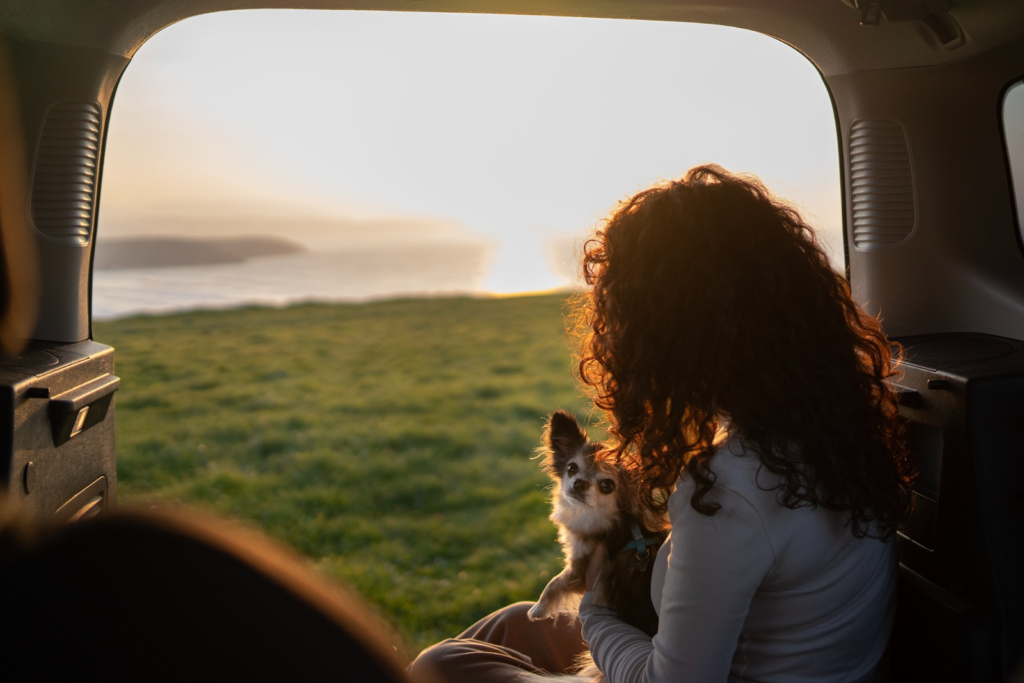
Highways reach out into the country. Highways run through woods, deserts, seashores. And in most automobiles, sitting at the window with wandering looks and a tail wag, there is a dog.
Travelling without a faithful pet is something most people cannot think of. The contemporary traveller does not have to make the dilemma between adventure and companionship. They take both. There has never been a greater use of long drives with dogs, which have been made more organized and more deliberate.
This paper will examine the transformation of the road trip with pets, what the statistics are witnessing in this new trend and how staying connected digitally and emotionally makes the road trip an easy one every mile.
The Rise of Pet Travel
Owning of pets has increased all over the world during the past ten years. The statistics provided by the American Pet Products Association (APPA) show that approximately 66 percent of households in the United States of America have a pet. Surveys in Europe indicate that almost half of the households have a companion animal. Dogs remain the most popular.
However, here is the difference: over 37 percent of owners of pets now claim to travel with their pets on a regular basis. The number of them is increasing every year.
Why? Because pets are family. And families go together.
Hotels are currently promoting themselves as pet-friendly. Vacation homes emphasize enclosed gardens. Even national parks have guidelines on pets. The infrastructure is changing to accommodate the traveler who cannot leave his/her dog behind.
Why Dogs Are Better Travel Pals Than You May Think?
A long drive can feel lonely. Hours of silence. Endless asphalt. Dog in the passenger seat and the energy is altered.
Dogs reduce stress. According to research conducted at Human Animal Bond Research Institute, playing with dogs can reduce cortisol (stress hormone) and raise oxytocin (bonding hormone). On a 6-hour drive, that matters.
They also promote improved travel lifestyle:
- More frequent breaks
- Regular walks
- Outdoor exploration
- Structured rest times
That is, dogs can take road trips to be healthy. They don’t care about traffic. They do not complain about playlists. They do not quarrel in directions. They simply exist beside you. Loyal. Present.
Taking a Long Drive with Your Pet
Impromptu journeys are romantic. However, when going with a dog everything is planned.
1. Vehicle Safety
Distracted driving leads to about 16 percent of deaths on the road and unsecured pets may increase risk. It is not optional to use a secured travel crate or dog seatbelt. It prevents the death of the animal and the driver.
2. Hydration and Breaks
Veterinary groups suggest breaking after every 2-3 hours in extended journeys. Dogs require water, short walks and rest. Heat is a serious risk. A 10-minute drive in the hot weather in a parked car is risky.
3. Documentation
Vaccination records may be demanded when traveling across borders or when the individual is staying in some accommodation. Microchipping also enhances reunion in case a pet is lost in the course of traveling.
Preparation reduces stress. And carefree traveling is preferable.
The Online End of Remaining Connected
Travel was something to do with being disconnected. Not anymore.
Contemporary road trips are a blend of physical travel and online connectivity. Drivers employ GPS positioning, reservation systems, directories of pet-friendly accommodations, and veterinary location finders along the way. Travelers can even use random video chat for entertainment. CallMeChat is currently trending for meeting strangers online. It’s a great way to pass the time on the road. Naturally, don’t forget the rules of the road.
The statistics indicate that 84 percent of travelers use smartphones when traveling by road. That includes:
- Locating pet-friendly restaurants in the vicinity.
- Inspections of dog park reviews.
- Booking last-minute lodging
- Keeping track of weather conditions.
- Connectivity adds security.
Suppose you are driving in a remote locality. You have to locate the closest veterinarian. Or find a rest area where your dog can rest. Everything is different with real-time information.
Being in contact does not lessen adventure. It improves it.
Friendly Destinations To Pets Are Booming
Major cities such as:
- San Diego
- Portland
- Austin
have gained a reputation of dog-friendly culture. They provide off-leash beaches, dog cafes and pet-friendly hotels. Other national parks such as Acadia National Park allow dogs on most of their trails, which is not the case in all other parks.
There are pet filters available in travel websites. This was rare a decade ago. Today, it is standard.
The Emotional Value of Cumulative Journeys
Statistics explain trends. They do not explain feelings. Something about it is good when you see your dog witness the sea for the first time. Or snow. Or mountains. Dogs live in the moment. Travel compels human beings to do so.
Long drives provide time of silence. Reflection. Separation of duties. The moment is simple when you put your head on the lap of a dog at the side of the road. Grounded.
Having similar experiences makes the relationships stronger. There are behavioral studies which demonstrate such shared new environments producing greater attachment between pets and their owners. Innovation makes the brain active- in both species.
Shortly put: go on a journey together, grow closer.
The Technology that Facilitates Traveling of Pets
Technology that deals with pets is expanding rapidly.
- Smart collars now include:
- GPS tracking
- Activity monitoring
- Health alerts
Medical records of pets are tracked through mobile applications. There is even a proposal of dog-friendly routes. Others offer veterinary teleconsultation which is an emergency. Market research projects that the pet tech sector is going to reach more than 20 billion globally in 2027.
This expansion is a cultural change: pets are not accessories. They are friends who are part of everyday life, even traveling. And connection is security.
Problems of Travelling with a Dog
It is not always easy.
There are still accommodations that do not accept pets. Certain beaches do not allow animals during the high seasons. The geriatric dogs are prone to exhaustion on long drives. The anxiety can manifest itself in new environments.
It is also necessary to be prepared and flexible at the same time. Bring familiar toys. Maintain feeding schedules. Even when traveling develop a predictable routine. Road trips are random in nature. Dogs thrive on stability. Balance both.
Taking Pets on Holiday
Having a dog on board a plane is a responsibility.
Always:
- Clean up after your pet
- Respect wildlife rules
- Follow leash regulations
- Do not distract other passengers.
The results of the surveys indicate that 22 percent of traveling people who do not have pets are experiencing negative experiences due to the irresponsible citizen pet owners. This influences future policies of access. Respect keeps doors open.
The better the responsible travelers of pets the more accepting will be the destinations.
Final Thoughts: Loyalty on the Open Road
Engines start. Maps load. Playlists begin. And beside the driver sits a loyal dog, unaware of distances or destinations. Only aware of presence. Travel is movement. Pets are stability. Technology is connection.
Together, they form a modern triangle of experience:
- Explore new places.
- Stay digitally connected.
- Strengthen the human-animal bond.
The open road is no longer just about reaching somewhere. It is about who rides with you. A dog does not measure miles. It measures moments. And on long drives, those moments become the journey itself.