

Athletic development is changing fast. Many athletes now demand stronger performance without added joint stress. This shift has pushed coaches and training specialists to explore new forms of resistance equipment.
Smart resistance tools have stepped into this space with impressive results. These tools offer controlled tension, longer ranges, and smoother patterns that challenge the body in fresh ways.
A New Direction In Athlete Conditioning
Traditional strength programs often rely on heavy loads and explosive drills. These methods still hold value. Yet many athletes now supplement them with slow and deliberate training styles. These styles place greater emphasis on tension, posture, and muscle control.
Smart resistance tools align perfectly with this direction. They use springs, cables, or guided tracks to challenge stabiliser muscles. These tools also reduce impact. This creates a safer environment for athletes recovering from intense schedules.
The goal remains the same. Build more power. Improve balance. Strengthen the entire kinetic chain. Smart resistance systems allow athletes to reach these goals with reduced wear on the body.
Why Smart Resistance Tools Improve Movement Quality
Movement quality is a major factor in long-term performance. Many athletes struggle with poor alignment, weak stabilisers, and uneven muscle activation. These issues impact speed, power, and coordination.
Smart resistance equipment encourages slow, clean patterns. Every repetition requires control. The body cannot rely on momentum. This approach builds strong and stable support muscles. These muscles often get ignored in fast gym environments.
Better stabilisers lead to stronger lifts. They also improve running mechanics, change of direction, and injury resilience. These benefits make smart resistance tools valuable across different sports.
How Guided Platforms Support Athletic Development
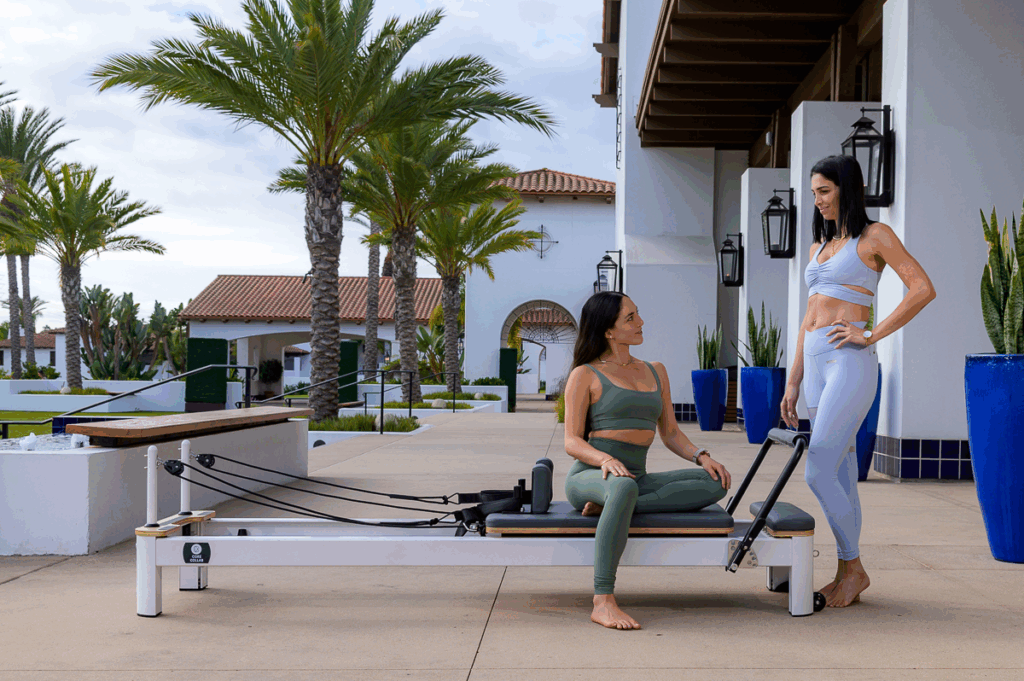
Guided resistance platforms are now common in high-performance studios. These platforms move along rails and use adjustable spring tension. The setup encourages long ranges and deep muscle engagement. Athletes must maintain control throughout the entire movement.
This style builds strength through a longer time under tension. It also develops balance and flexibility. Many athletes appreciate the quiet and low-impact nature of these workouts. The sessions push muscles without stressing joints.
Some athletes explore a detailed megaformer vs reformer breakdown for athletes exploring modern training tools, which helps them understand how different platforms support controlled resistance work.
This type of training supports full-body tension. It suits athletes who want a strong core, steady movement patterns, and safer strength sessions.
Why Controlled Resistance Produces Stronger Athletes
Controlled resistance builds strength in a unique way. Fast exercises rely on momentum. Slow exercises rely entirely on muscle power. This forces the body to engage stabilisers, prime movers, and deep core muscles at the same time.
The American Council on Exercise explains that manipulating repetition tempo influences time under tension and muscular development, key factors for elite athletes.
Athletes who train with controlled resistance often report improvements such as:
- Smoother transitions in movement
- Greater balance in lateral work
- Improved hip and shoulder stability
- Stronger eccentric control
- Lower joint discomfort during training
Controlled training also sharpens mental focus. Each repetition requires attention and precision. This awareness transfers well into competitive environments where fine motor control matters.
Core Strength As A Foundation For Performance
Smart resistance tools emphasise core involvement through every repetition. The core stabilises the spine, hips, and shoulders. These areas determine movement efficiency and force production.
Strong core control leads to:
- More powerful rotation
- Cleaner acceleration patterns
- Better balance under fatigue
- Reduced lower back tension
- Improved breathing and posture
Athletes across every sport benefit from these gains. The combination of slow resistance and long ranges makes core muscles work harder than in traditional gym movements.
How Smart Tools Support Joint Health And Longevity
Many athletes train year-round. This creates constant pressure on knees, hips, and shoulders. Heavy lifting and high-impact jumps add strain. Smart resistance equipment gives athletes a break without reducing intensity.
According to the Cleveland Clinic, low-impact training can protect the joints while maintaining intensity, making it ideal for long‐term performance.
Spring-based systems absorb load before it reaches the joints. The guided movement paths protect alignment. These benefits help athletes maintain strong training volumes without excessive wear.
Better joint health supports:
- Longer careers
- Improved recovery
- More consistent training blocks
- Reduced downtime from overuse injuries
Athletes and coaches now view long-term health as a primary goal. Smart resistance tools help achieve that.
Why These Tools Fit Modern Training Schedules
Athletes need flexible routines. Schedules often change due to travel, competition, or recovery days. Smart resistance sessions work well on lighter days. They deliver strong muscle activation without draining energy levels.
This approach makes them ideal for:
- Active recovery
- Off-season strength blocks
- Technical reinforcement days
- Injury prevention sessions
- Home or studio-based training
The quiet and smooth nature of the equipment reduces mental fatigue. Many athletes enjoy using it before or after high-intensity sessions.
The Role Of Precision Training In Sports Performance
Precision has become a core pillar of modern athletic development. Coaches want athletes who can control movement under pressure. Controlled resistance teaches athletes to stabilise, adjust, and correct in real time.
These skills carry over to sport-specific actions. Better control increases shot accuracy, running mechanics, and defensive positioning. Stability also protects the body during unpredictable contact or rapid direction changes.
Precise training methods add a new layer of refinement to athlete development.
Why Smart Resistance Tools Will Continue Growing In Sports
The rise of smart resistance equipment reflects a cultural shift. Athletes want effective training with less impact. Coaches want tools that build strength and reduce injury risk. Sports programs want long-term solutions that support physical longevity.
Smart resistance tools meet all these needs. They build strong and balanced muscles. They improve posture and control. They support joint health. They help athletes perform at higher levels without unnecessary strain.
As more athletes adopt these systems, they will continue shaping training spaces across different sports.